The Sustainable Sanctuary: How to Upgrade Your Home with Solar and Smart Water Systems
The concept of the “Eco-Home” has undergone a radical transformation. What once began as a modest commitment to curbside recycling and low-flow showerheads has evolved into a sophisticated pursuit of total energy and water independence. Today, creating a sustainable sanctuary is about more than just reducing a carbon footprint; it is about building a resilient, high-tech fortress that balances modern luxury with deep environmental responsibility. This shift is driven by a desire for cognitive clarity, emotional well-being, and a shield against the rising costs of traditional utilities.
Living in a sustainable sanctuary offers a unique psychological benefit: the peace of mind that comes from self-reliance. There is a profound sense of groundedness in knowing that your home can harvest its own power and manage its own water cycle without out-of-the-box compromises. This journey requires a strategic roadmap—moving from the heavy infrastructure of power generation and hardscaping to the delicate integration of smart home technology. By the end of this guide, you will understand how to transition your living space into a future-proof environment that serves both your family and the planet.
Phase 1: Foundational Energy and Power Resilience
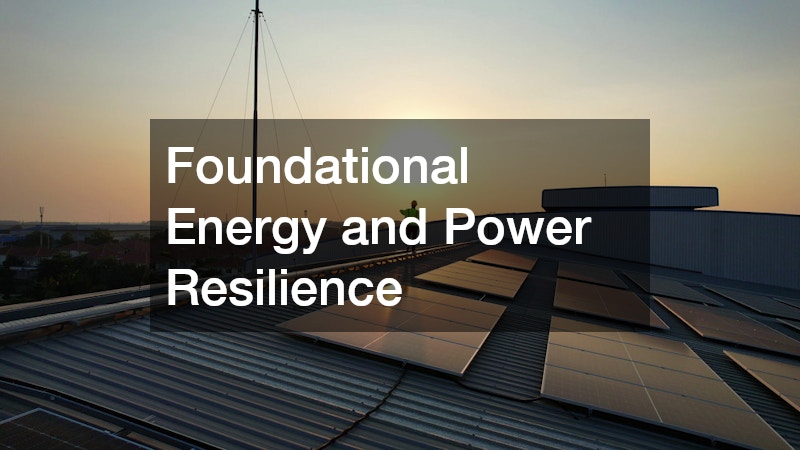
Before you can harvest the sun’s energy, you must ensure your home is capable of retaining it. The first step in any solar transition is assessing the “Energy Envelope.” This involves identifying thermal leaks, upgrading insulation, and ensuring that your home’s internal systems are operating at peak efficiency. In mountainous or storm-prone regions, energy independence also means preparing for grid instability. While solar panels provide the bulk of your power, integrating a standby generator is essential for bridging the gap during extended periods of heavy cloud cover or peak winter storms when battery banks may run low.
Upgrading your home’s electrical infrastructure is the silent prerequisite for solar success. Most older homes feature circuit breaker panels that are ill-equipped to handle the bidirectional flow of a solar-tied system. Engaging a professional for comprehensive electrical repairs is vital when preparing to install battery storage solutions or high-draw EV charging stations. This ensures that your home’s “nervous system” can safely distribute the harvested energy without overloading existing circuits or creating fire hazards. Modern setups often require a complete rewiring of the heavy-duty appliances to ensure they can communicate with a smart inverter, allowing the home to automatically shed non-essential loads during a power dip.
Conduct a Thermal Audit:
Use a thermal imaging camera to find invisible air leaks around windows, doors, and attic hatches.
Upgrade Your Panel:
Ensure your electrical service is rated for at least 200 amps to accommodate future energy-harvesting technologies.
Smart Inverters:
Invest in high-quality hybrid inverters that can seamlessly switch between solar, battery, and grid power.
Actionable Tip:
Schedule a whole-home energy audit to pinpoint exactly where heat loss is undermining your potential solar ROI.
Phase 2: Mastering the Flow—Smart Water Management
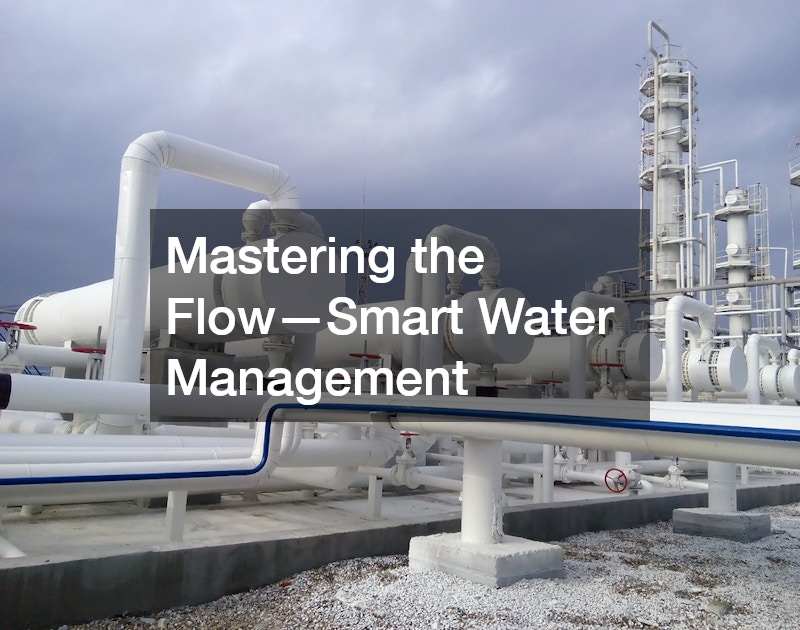
A sustainable sanctuary views water as a precious, closed-loop resource. The intersection of modern plumbing and high-tech sensors has made it possible to monitor every drop that enters and exits your property. By installing ultrasonic leak detectors and smart shut-off valves, you can prevent catastrophic water damage while gaining a granular understanding of your consumption patterns. However, technology only works if the hardware is sound. Maintaining mechanical efficiency is key; ensuring you perform prompt appliance repairs on water-heavy units like dishwashers and high-efficiency washing machines is a critical component of water conservation.
For homes utilizing deep-well systems or sophisticated rainwater harvesting arrays, maintenance becomes a matter of infrastructure longevity. Keeping filtration tanks clear and solar panels free of dust is essential for maintaining high performance. Utilizing high-capacity commercial pressure washers allows you to efficiently clean these large-scale systems without wasting excessive water, provided you use the correct nozzles and pressure settings. Beyond the equipment, consider the chemistry of your water; high-efficiency systems thrive when sediment and mineral buildup are kept to a minimum through advanced filtration.
Install Greywater Systems:
Divert water from sinks and showers to sub-surface irrigation systems for your landscaping.
Rainwater Harvesting:
Use large-capacity cisterns with integrated UV filtration to turn rainfall into potable water.
Sensor Calibration:
Regularly check your smart water meters to ensure they are accurately detecting flow rates.
Actionable Tip:
Install “Point-of-Use” greywater recycling systems to repurpose sink drainage for garden irrigation.
Phase 3: Infrastructure and Hardscaping for Sustainability
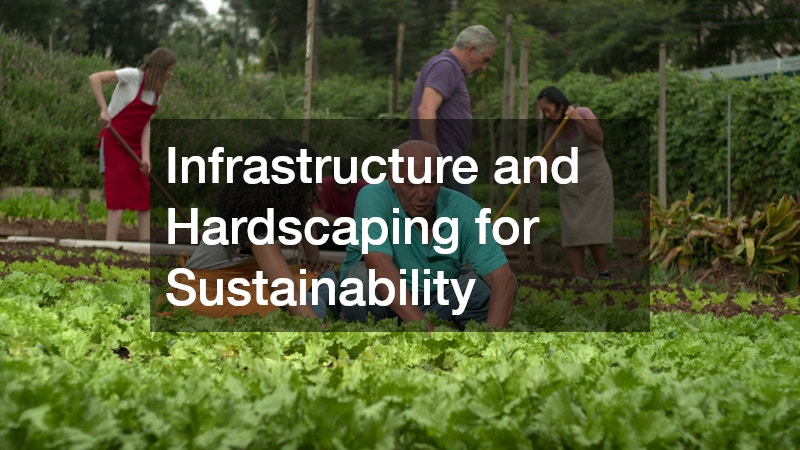
Sustainability isn’t just about the gadgets inside the house; it’s about the materials used to build the exterior environment. Working with concrete contractors to install permeable driveways and walkways is a game-changer for water management. These surfaces allow rainwater to soak directly into the ground, recharging local aquifers rather than contributing to erosional runoff. Additionally, using high-thermal-mass concrete flooring inside the home can help regulate temperature naturally by absorbing heat during the day and releasing it slowly at night. This “passive solar” design reduces the load on your HVAC system, further extending the life of your battery storage.
For those pursuing true self-sufficiency, urban homesteading is the next logical step. This involves sourcing specialized farm supplies to create vertical gardens, hydroponic setups, or even small-scale livestock enclosures. These systems can be integrated with your smart home to automate feeding, watering, and composting. When combined with a “Cool Roof” strategy—using reflective materials that support heavy photovoltaic mounting systems—your home’s exterior becomes an active participant in your energy and food production. Even small additions, like a nutrient-cycling aquaponics bay, can significantly reduce your grocery-store footprint.
Thermal Mass Design:
Place high-density materials in areas that receive direct winter sunlight to provide passive heating.
Permeable Surfaces:
Replace solid asphalt with interlocking pavers or porous concrete to eliminate standing water.
Automated Composting:
Use high-speed electric composters to turn food scraps into nutrient-rich soil for your vertical garden.
Actionable Tip:
Design a “Permeable Hardscape” that directs rainwater runoff toward a central collection cistern rather than the street.
Phase 4: Integrating the Smart Home Nervous System
To truly achieve a “sanctuary” status, all your independent systems—solar, water, and climate control—must be synchronized. This is where a dedicated home technology service becomes invaluable. A professional can help you create a localized data hub that aggregates data from solar inverters, smart blinds, and soil moisture sensors into a single, intuitive dashboard. This allows your home to make autonomous decisions, such as lowering the blinds when the sun is too intense or delaying the dishwasher run until solar production is at its peak. This automation ensures that your home is working for you, rather than requiring constant manual adjustments.
Maintaining the hardware behind this eco-system is just as important as the software. Energy-management servers and smart hubs are sensitive to environmental factors like heat and dust. Establishing a relationship with a local computer repair shop ensures that you have a go-to expert for maintaining the physical servers and network hardware that keep your sanctuary online. Protecting these smart investments from power surges and cyber threats is the final step in ensuring your home remains both high-tech and secure. A well-maintained local server offers lower latency and higher privacy than cloud-only solutions, keeping your home’s data within your walls.
Centralized Dashboard:
Use platforms like Home Assistant to keep your data local and private rather than relying on the cloud.
Redundant Connectivity:
Ensure your smart home has a backup internet connection to maintain control during service outages.
Dust Mitigation:
Keep your server racks in a climate-controlled, filtered environment to prevent hardware overheating.
Actionable Tip:
Create a “Command Center” in a climate-controlled area to house all smart-system brains and battery backups.
Phase 5: Technical Maintenance and Specialized Resource Sourcing

The long-term success of a sustainable home depends on consistent technical upkeep. As your home becomes more automated, the “Brain” of the house—the software and hardware interface—will occasionally require troubleshooting. Establishing a protocol for
computer repair
when software glitches or hardware failures occur will prevent your energy-management systems from going dark. This is especially true for the complex algorithms that manage battery discharge cycles and net metering. A malfunctioning sensor in a water-reclamation system can lead to waste, so ensuring the underlying electronics are pristine is a primary maintenance task.
Beyond standard electronics, some high-performance homes utilize specialized energy sources. For instance, you might partner with an industrial gas supplier for hydrogen fuel cell backups or CO2-enriched greenhouse environments to boost food production. Knowing when to handle maintenance yourself (like cleaning filters) and when to call in a specialist (for recalibrating sensitive solar sensors) is the mark of a sophisticated homeowner. As your sanctuary grows in complexity, you may find that you are managing a miniature utility company, requiring the same level of diligence and resource sourcing as a commercial operation.
Firmware Updates:
Regularly update the software on your solar inverters and smart appliances to improve security and efficiency.
Battery Health Checks:
Use diagnostic tools to monitor the health and capacity of your lithium-ion or salt-water battery banks.
Specialized Fueling:
If using hydrogen cells, ensure your storage tanks are inspected annually for leaks and pressure integrity.
Actionable Tip:
Keep a “Sustainable Sanctuary Logbook” that tracks energy production, water usage, and the lifecycle of all critical hardware.
VI. Advanced Retrofitting and the Efficiency Surplus
As your sanctuary matures, the focus shifts from basic operation to the optimization of your “Efficiency Surplus.” This is the energy and water you produce beyond your daily needs. In 2026, many homeowners are using this surplus to power decentralized computing tasks or to participate in community energy-sharing grids. However, this level of activity puts extra stress on your internal network. If your system begins to lag, seeking computer repair for your central management unit is the first step in reclaiming that lost efficiency. A slow processor can lead to delayed sensor responses, meaning your smart blinds might close ten minutes after the sun has already heated up your living room.
Furthermore, consider the physical resilience of your property as you add more technology. High-tech homes are often targets for environmental wear-and-tear. Regular inspections of your outdoor sensors and exterior wiring are essential. If you find that your exterior solar-tracking motors are struggling, it may be time to consult with specialized concrete contractors or structural engineers to ensure the mounts haven’t shifted due to soil moisture changes. Every element of the sanctuary, from the software in your hub to the concrete in your driveway, works in a delicate symbiosis to maintain your independence.
Energy Harvesting Beyond the Roof:
Explore the use of piezoelectric floor tiles in high-traffic areas to generate small amounts of supplemental power.
Predictive Maintenance:
Use AI-driven software to predict when a component is likely to fail before it actually stops working.
Water Quality Analytics:
Move beyond simple filtration to real-time chemical analysis of your stored water to ensure total purity.
Actionable Tip:
Set up an “Automation Stress Test” once a quarter to ensure your backup systems engage perfectly during a simulated outage.
VII. Conclusion
Building a sustainable sanctuary is a transformative process that shifts your relationship with your environment from one of consumption to one of stewardship. By investing in resilient energy infrastructure, smart water management, and integrated technology, you create a home that is not only a refuge from the world but a proactive contributor to a healthier planet. This journey is about more than just the immediate return on investment; it is about the emotional and ethical fulfillment that comes from living in alignment with your values.
A home that harvests its own power and recycles its own water is a powerful legacy to leave for future generations. It represents a commitment to resilience in an era of climate uncertainty and a dedication to the marriage of nature and technology. As you move forward, remember that even small, incremental upgrades—from a smarter thermostat to a permeable walkway—are meaningful steps toward a fully realized, high-tech sanctuary. The future of the home is here, and it is self-sustaining, intelligent, and deeply personal. Keep building, keep refining, and enjoy the peace of your own sustainable sanctuary.